Multigenerational Remodeling: Adding an In-Law Suite or ADU
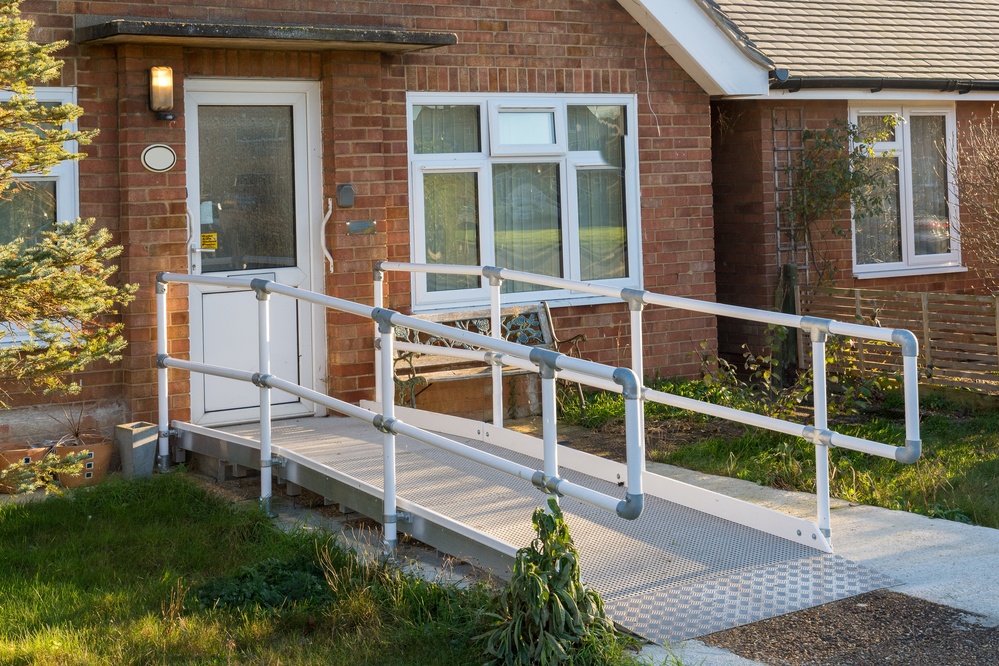
More families are choosing to live together under one roof. Whether you have aging parents who need support or adult children returning home, creating a separate living space can make everyone happier. An in-law suite or accessory dwelling unit (ADU) gives your loved ones independence while keeping them close.
This guide will help you understand how to add a mother in law suite addition to your home. We'll cover design ideas, accessibility features, and what you need to know about local rules. Let's explore how to create a living space that works for your whole family. For expert guidance and a smooth construction process, consult a home addition contractor in Bucks County, PA, from A&Z General Contractor to bring your mother-in-law's suite to life.
Why Families Are Adding In-Law Suites and ADUs
The number of multigenerational households has grown significantly in recent years. There are many good reasons why families choose this living arrangement.
Financial Benefits
Living together helps everyone save money. Your family can split housing costs, utilities, and other expenses. Instead of paying for a separate apartment or assisted living facility, you invest in your own property. This also increases your home's value for the future.
Family Support
Having multiple generations close means better care for everyone. Grandparents can assist with daycare. Children who are older can help their parents with everyday chores. Companionship and emotional support are beneficial to everyone.
Flexibility for Life Changes
An attached ADU or in-law suite gives you options. Today it might house your parents. Tomorrow it could be a home office, rental unit, or space for returning college graduates. This flexibility makes your remodeling investment worthwhile for years to come.
Privacy vs. Proximity: Finding the Right Balance
The most difficult part of living with multiple generations is maintaining a healthy level of separation. Family members should be close by, but not on top of one another.
Separate Entrances Matter
A dedicated entrance is one of the most important features of any mother in law suite addition. This allows your family members to come and go without walking through your main living areas. They can maintain their own schedule and have visitors without disrupting your household.
Attached ADU contractors often recommend placing the entrance on a side or back wall. This maintains the suite's connection to your house while offering privacy. A small porch or covered space can be added to make the entrance more inviting.
Create Distinct Living Zones
Your in-law suite should function as a complete living space. At minimum, it should include:
- A bedroom with closet storage
- A private bathroom with accessible features
- A kitchenette or full kitchen
- A living area for relaxation and entertainment
- Separate climate controls
This setup lets your family members cook meals, entertain friends, and live independently. They don't need to use your kitchen or living room unless they choose to.
Connection Points That Work
While privacy matters, you also want easy connection between spaces. Consider these options:
- Interior Doors: A lockable door between the main house and suite gives both parties control. Your family member can lock it for privacy or leave it open for casual visits.
- Shared Outdoor Spaces: A patio or garden area that both living spaces can access creates natural gathering spots. This is less intrusive than shared indoor areas.
- Intercoms or Video Doorbells: Modern technology makes it easy to check in without physically going to the suite. This works especially well for elderly parents who may need occasional assistance.
Universal Design: Building for Aging in Place
Designing environments that accommodate people of all ages and abilities is known as universal design. These elements make your house more accessible for everyone in the future and benefit senior parents right away.
Wider Doorways and Hallways
Standard doorways are 30 to 32 inches wide. For wheelchair accessibility, you need at least 36 inches. This extra width also helps people using walkers, canes, or crutches.
Hallways should be at least 36 inches wide, but 42 inches is better. This allows someone in a wheelchair to turn around comfortably. When planning your mother in law suite addition, talk to your contractor about these measurements early. It's much easier to build wider openings than to expand them later.
Curbless Showers
A curbless shower has no step or threshold to climb over. The floor slopes gently toward the drain, creating a smooth transition from the bathroom floor into the shower.
Benefits of curbless showers include:
- Easier access for people with limited mobility
- Safer with reduced trip hazards
- Wheelchair accessible
- Modern, clean appearance
- Easier to clean
Your contractor will need to lower the floor in the shower area to accommodate the drain. This requires careful planning during the construction phase. Proper waterproofing is critical to prevent leaks.
Add a built-in bench or fold-down seat in the shower. This helps people who can't stand for long periods. Include grab bars rated to support at least 250 pounds. Place them near the toilet, shower, and bathtub areas.
Lever Handles Instead of Knobs
Round doorknobs are difficult for people with arthritis or weak grip strength. Lever handles are much easier to operate. You can open them with an elbow if your hands are full.
Install lever handles on:
- All doors
- Faucets in kitchen and bathroom
- Cabinet hardware
This simple change makes daily tasks easier for elderly family members. It also helps anyone carrying groceries or laundry.
No-Step Entries
Steps at entrances create barriers for wheelchairs, walkers, and anyone with balance issues. Design your in-law suite entrance with a gentle ramp or at ground level.
If you need to have a small step, keep it under half an inch. This tiny lip helps keep water out but won't trip anyone. Make sure there's good lighting at the entrance too.
Light Switches and Outlets
Place light switches 42 to 48 inches from the floor instead of the standard 48 inches. This lower height works better for people in wheelchairs.
Electrical outlets should be 18 to 24 inches from the floor, higher than standard placement. This means less bending down to plug things in.
Kitchen Accessibility
An accessible kitchen has these features:
- Lower countertop sections at 32 inches for seated work
- Pull-out shelves in lower cabinets
- Side-by-side refrigerator (easier than top freezer models)
- Front-mounted controls on the stove
- Single-lever faucet with pull-down sprayer
- Open space under the sink for wheelchair access
Flooring Choices
Pick flooring that's slip-resistant but easy to move across. Good options include:
- Luxury vinyl plank (waterproof and low maintenance)
- Low-pile carpet in bedrooms
- Textured tile with slip-resistant rating
- Cork (softer and warmer underfoot)
Avoid high-gloss finishes that become slippery when wet. Make sure transitions between different flooring types are smooth and level.
Future-Proofing with Blocking
Even if your family member doesn't need grab bars now, they might later. Ask your contractor to install blocking (reinforced lumber) inside bathroom walls during construction. This hidden support makes it easy to add grab bars anywhere you might need them in the future.
Mark where the blocking is located on your building plans. This saves time and money if you need to install grab bars later. For professional guidance on installing features like blocking and other safety upgrades, consider bathroom remodeling services in Doylestown, PA, to help plan a functional and future-ready space.
Zoning Laws and ADU Regulations
Before you hire attached ADU contractors, you need to understand your local zoning laws. Rules about accessory dwelling units vary widely by location.
What Zoning Laws Cover
Zoning regulations typically address:
- Whether ADUs are allowed in your neighborhood
- Maximum size for the additional living space
- Setback requirements (how far from property lines)
- Parking requirements
- Owner occupancy rules
- Rental restrictions
Some cities actively encourage ADUs to increase housing options. Others have strict limits or don't allow them at all.
Permits You'll Need
Building permits are needed for the vast majority of mother-in-law suite expansions. This is about safety, not red tape. Permits make sure your project complies with structural, plumbing, and electrical requirements.
Common permits include:
- Building permit for structural work
- Electrical permit
- Plumbing permit
- Mechanical permit for HVAC
Your contractor usually handles permit applications. This is included in their services. Make sure you discuss this upfront.
Setback and Lot Coverage Rules
Setback requirements determine how close you can build to property lines. Your ADU might need to be 5, 10, or even 20 feet from the side or rear property line.
Lot coverage rules limit what percentage of your property can have buildings. If your lot is already close to the maximum, adding square footage might not be possible.
Attached vs. Detached ADUs
An attached ADU connects to your main house. A detached ADU is a separate building on your property.
Attached units often face fewer restrictions because they're considered home additions. They typically:
- Don't require separate utility connections
- May not need additional parking
- Cost less to build than detached structures
- Share heating and cooling systems
Detached ADUs offer more privacy but usually need separate utilities and may trigger additional zoning requirements.
Working with Your Municipality
Planning agencies in most communities are able to respond to inquiries concerning ADU restrictions. Many now provide material on their websites that is specific to ADU.
Schedule a pre-application meeting with planning staff. Bring a basic sketch of your idea. They can tell you right away if your plan is feasible or what changes you need to make.
Impact Fees and Utility Connections
Impact fees accumulate in certain jurisdictions when more dwelling space is added. Roads, parks, and schools are all funded by these fees.
Upgrades to utility connections may be necessary, such as:
- Installing a larger water meter
- Paying sewer capacity or connection fees
- Upgrading the electrical service panel
Factor these costs into your budget from the start.
Timeline Considerations
Permit approval can take anywhere from a few weeks to several months. Complex projects or backed-up planning departments slow things down.
Don't let contractors start work before permits are approved. Building without proper permits can result in:
- Stop-work orders
- Fines and penalties
- Difficulty selling your home later
- Problems with insurance claims
- Required removal of unpermitted work
Planning for the Future
Your mother in law suite addition should work for your family today and tomorrow. Consider how your family’s needs might change over time, from accessibility features to flexible living spaces. Thoughtful planning now can save you time, money, and stress as your household grows or evolves.
Create spaces that can adapt:
- A bedroom large enough to later become a home office
- Kitchen that works for one person or a small family
- Bathroom that serves elderly parents now and teenagers later
- Living area that could become a rental unit
Ready to Start Your Project?
Adding an in-law suite or ADU to your home is a big decision. It requires careful planning, the right contractor, and attention to both current needs and future possibilities.
Start by:
- Researching your local zoning laws
- Determining your budget
- Making a list of must-have features
- Finding experienced attached ADU contractors
- Getting multiple quotes and references
The result is a home that truly works for your whole family. You create independence for your loved ones while keeping them close. You add value to your property and flexibility for whatever life brings next.
Planning for the future? Let's design a home that fits your whole family. Contact A&Z General Contractor for any mother in law suite addition plans today. Your multigenerational home is within reach.